Why Every Motorboat Skipper Should Understand Their Diesel Engine
For many motorboat skippers, the diesel engine is expected to simply work. It sits below deck, out of sight and often out of mind—until the moment it doesn’t.
Whether you’re a new skipper, stepping up to a larger or twin-engine motorboat, or an experienced boat owner who wants greater self-reliance offshore, understanding your diesel engine is essential. Without a reliable engine, your vessel is at the mercy of tides, weather, and circumstance, and even a minor fault can quickly become stressful, costly, or unsafe.
Reliability Starts With Knowledge
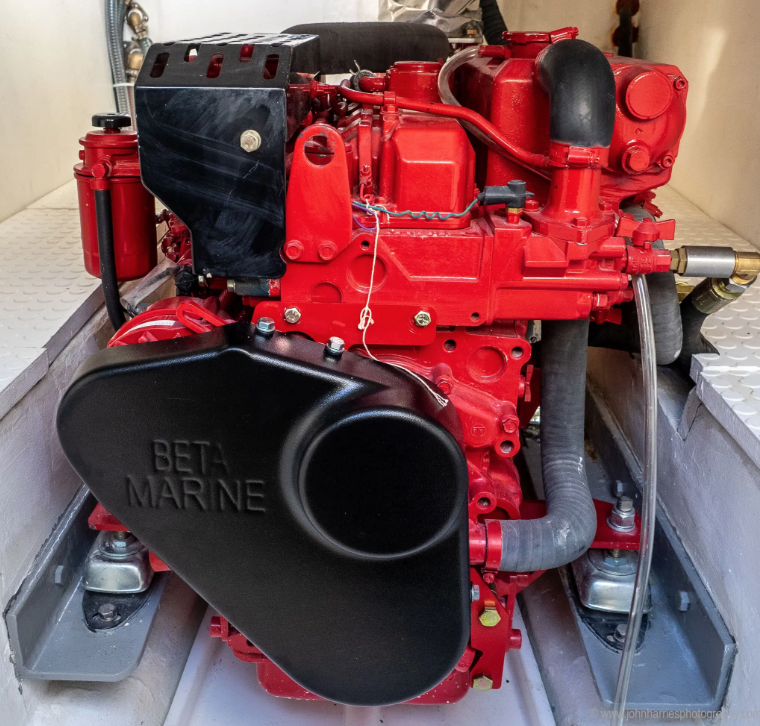
Marine diesel engines are renowned for their reliability, efficiency, and ability to operate for long hours. At their most basic level, however, they rely on just three essential elements:
- Clean fuel
- Clean air
- Compression
If any one of these is compromised, engine performance will suffer—or the engine may fail to start at all.
Difficulty starting, loss of power, unusual noises, or changes in exhaust smoke are all early warning signs. A well-trained skipper is far more likely to recognise these symptoms early and take the correct action before a simple issue results in lost cruising time, an expensive engineer call-out, or the need for outside assistance.
This knowledge becomes particularly important when operating away from marinas or support services, where the ability to assess a situation calmly and competently can make all the difference.
Practical Training for Real-World Skippers
At Prestige Boating Academy, we offer a comprehensive diesel engine training programme designed specifically for motorboat skippers. Our courses are delivered by experienced instructors and combine clear theory with hands-on practical training, ensuring skippers gain real-world confidence—not just classroom knowledge.
Our diesel engine training covers:
- Daily engine checks
Monitoring oil levels, coolant condition, belt tension, and fuel systems to identify issues before they become problems - Filters and filtration systems
Understanding different filter types, how they operate, and how to inspect and change them correctly - Fuel systems and contamination
Identifying and dealing with common issues such as water ingress, debris, or diesel bug—often the difference between resolving a problem quickly or being left without propulsion - Mechanical components and common failures
From starter motors to cooling impellers, we explain how key systems work, how faults present themselves, and what actions a skipper can safely and confidently take
By the end of the course, skippers are better equipped to diagnose common faults, make informed decisions onboard, and know when a problem can be resolved independently or when professional assistance is required.
Safety, Confidence, and Better Decision-Making
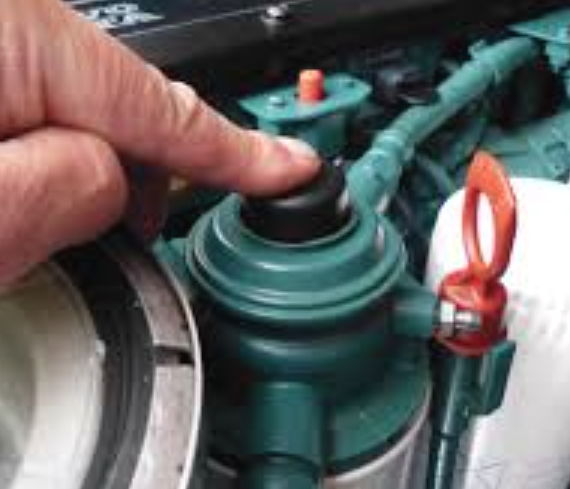
Diesel engine knowledge directly improves safety at sea. A skipper who understands how their engine operates is more likely to respect operating limits, respond promptly to alarms, and avoid pushing the vessel beyond safe conditions.
This awareness protects not only the engine, but also the vessel, the crew, and the overall boating experience—reducing stress and increasing confidence on every passage.
Build Confidence Before You Need It
A blocked fuel filter, overheating issue, or air in the fuel system doesn’t have to end a trip or trigger a distress call—if you know what to look for and how to respond.
Whether you cruise locally or plan longer passages, diesel engine knowledge is a core skipper skill, not an optional extra.
To learn more about how Prestige Boating Academy can help you understand, maintain, and fault-find your diesel engine—and prepare you for a more confident, capable, and enjoyable time on the water—get in touch with us today, learn more about our diesel course or explore our other skipper training courses.