Why Every Motorboat Skipper Needs a VHF License
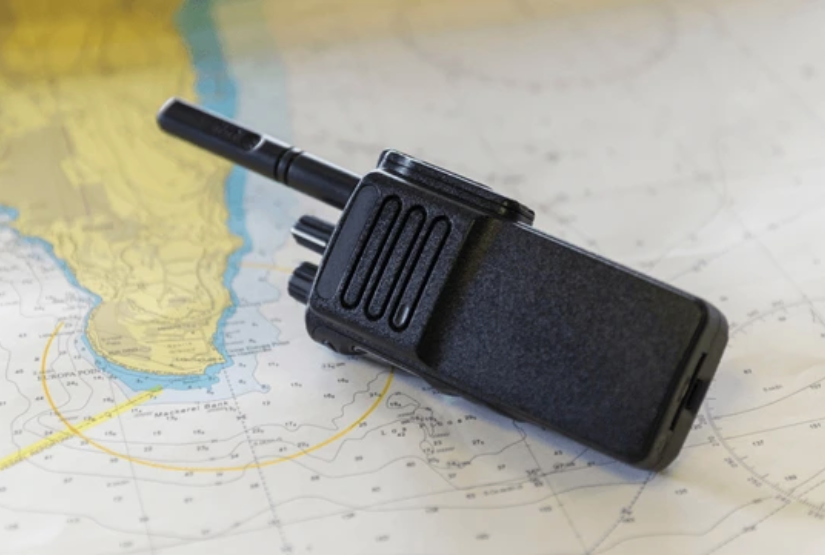
As a motorboat skipper, there is one bit of equipment that you need to fully understand and be familiar with — the VHF marine radio. Whether you’re exploring the local coastlines or cruising farther afield, a reliable DSC VHF radio and the knowledge of how to use it is essential for communication, coordination, and safety at sea.
Many new skippers think they can rely on their mobile phones, but once you leave the harbour, signal coverage quickly drops away. That’s where a marine DSC VHF radio comes in — giving you a useful and reliable link to other boats, marinas, and the coastguard, no matter where you are.
Why a VHF Radio Is Essential
A VHF radio isn’t just about having a chat with other boaters — it’s your direct connection to the wider boating world. It is a required piece of equipment on every vessel and lets you:
- Call nearby vessels to arrange passing manoeuvres and understand its intentions
- Speak directly to marinas and harbourmasters
- Monitor safety broadcasts and weather updates
- Contact the coastguard in seconds if something goes wrong
Unlike a mobile phone, a VHF transmission is a broadcast, it can be heard by all vessels within range, so if you call for assistance, every skipper nearby can respond.

Modern radios are fitted with Digital Selective Calling (DSC), which makes communication even more effective. DSC allows you to contact another vessel or station using their MMSI number, a unique ID assigned to each radio. It’s like dialling someone’s number at sea — fast, secure, and accurate.
Communicating with Marinas, Ships, and the Coastguard
If you’ve ever tried phoning a marina and lost signal halfway through the call, you’ll understand why VHF communication remains the key to communications at sea. Calling on the correct VHF channel allows you to check berthing arrangements, request fuel, or notify them of your arrival — instantly and clearly.
Need to pass a cargo ship in a narrow channel or cross a busy commercial anchorage? A quick call on VHF lets you coordinate safely and professionally.
More importantly, the coastguard (and other shipping) constantly monitors Channel 16, the international calling and distress frequency. Whether you need navigation advice or have an emergency, they’re only a call away.
Additionally, a DSC-equipped VHF radio can send a digital distress alert that automatically transmits your location and vessel details to the coastguard and nearby boats — a lifesaver when every second counts.
Safety First
When the unexpected happens — engine failure, a medical emergency, or man overboard — your VHF marine radio is your most important safety tool.
Pressing the DSC distress button sends an instant alert with your position and MMSI number, even if you can’t speak. Every DSC radio in range receives the alarm, along with coastguard rescue centres.
You can also use your radio for a Mayday (Life Threatening Emergency). Pan-Pan (urgent, but not life-threatening) and Sécurité (safety information) calls, helping to warn other vessels about hazards such as fog, debris, or drifting craft.
For boating safety, nothing beats a properly installed and well-used VHF radio system.
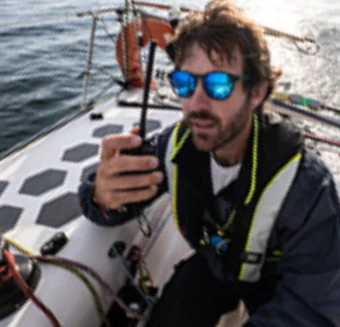
The Legal Side: VHF Licensing in the UK and Europe
In the UK and European waters, it’s not just good practice to know how to use your VHF radio — it’s the law. You need two separate licences:
- Ship Radio Licence – Covers the radio equipment on board your vessel and gives it an MMSI number and call sign. In the UK, this is issued by OFCOM (and similar authorities in other European countries).
- Operator’s Licence (Short Range Certificate or SRC) – This is the personal qualification that allows you to use the radio internationally.
Prestige Boat Academy (with Link) offers a comprehensive course in the VHF radio course, which teaches you to:
- Initialise and use up a DSC radio
- Operate both standard and DSC functions
- Make correct radio procedure and phraseology
- Make real-world calls to marinas and other boats
- Send distress, urgency, and safety messages
- Meet European VHF licensing rules and best practices
Once qualified, your certificate is recognised throughout Europe, meaning you can confidently use your radio anywhere in the UK, Mediterranean and broader cruising areas.
Prestige Boat Academy offers the house for 150€ but we offer a reduced price of 95€ when bought alongside a practical course,